 English
  Español

In an environment where complexity is the norm and speed is a requirement, Scrum presents itself not just as a work tool, but as a way of being within an organization: flexible, collaborative, and deeply human.
What is Scrum?

Scrum is an agile framework that allows teams to respond intelligently, empathetically, and effectively to complex problems. Based on iteration, continuous improvement, and self-organization, Scrum doesn't impose answers—it sparks conversations. More than a technique, it's a common language among leaders, collaborators, and clients. A language that enables building, inspecting, adapting... and growing together.
Scrum is not a recipe, it's a dance: guided by the team's rhythm, led by value, and sustained by trust.
Key Elements
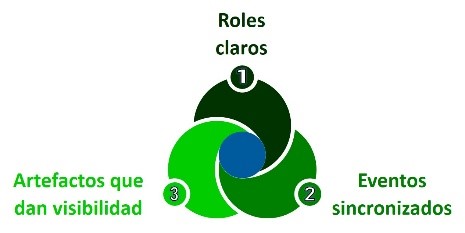
Clear roles: Product Owner, Scrum Master, Development Team.
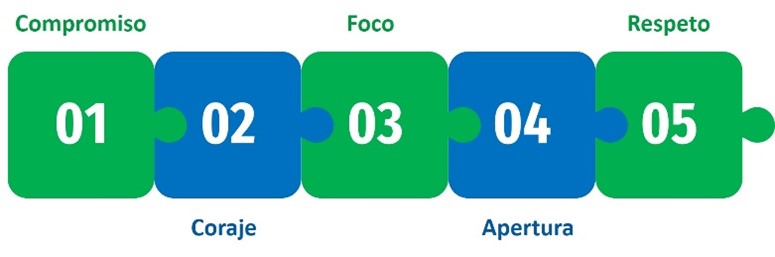
All supported by five essential values:
1. CommitmentThe team has the courage to do the right thing, face complex challenges, and be transparent about obstacles. Courage allows innovation, adaptation, and continuous learning.
2. CourageEach team member personally commits to the Sprint and team goals. This value drives shared responsibility and dedication to collective success.
3. FocusEveryone focuses on the Sprint work and achieving team goals. Focus helps avoid distractions and prioritize what truly delivers value.
4. OpennessTransparency in work, challenges, and ideas is encouraged. Openness facilitates collaboration, continuous improvement, and adaptability to change.
5. RespectTeam members value one another as capable and independent individuals. Respect creates a safe environment where trust and creativity can flourish.
These are values that resonate in organizational cultures where personal growth is as important as the outcome.