
 English
  Español

In the vast ecosystems of nature, evolution doesn’t follow a rigid plan or wait for instructions carved in stone. Life adapts, learns, and flows with the cycles of the sun and moon, with the currents of water and the whisper of the wind. Agility is the same—a symphony of organic movements that transforms companies into living organisms, capable of listening, reacting, and growing in harmony with their environment.
Strong roots and flexible growth: The agile tree

Agile methodologies are like a great tree, whose deep roots represent fundamental values: collaboration, adaptability, and continuous delivery of value. This solid trunk supports a dynamic canopy, where each team works like a leaf, absorbing the light of knowledge and adapting to the winds of change.
If the tree were rigid, its growth would stop, and its trunk would break in a storm. But its strength lies in the flexibility of its branches: when the wind blows hard, it doesn't fight it—it bends and learns from its fury. Likewise, in the world of business, the rigidity of old management models has given way to agile structures, where teams find their greatest advantage in adaptability.
The feedback river: flowing instead of stagnating
In nature, water never stops. An agile river doesn't need maps—it simply flows, learning from the terrain, navigating obstacles, and always finding the most efficient path to the sea.
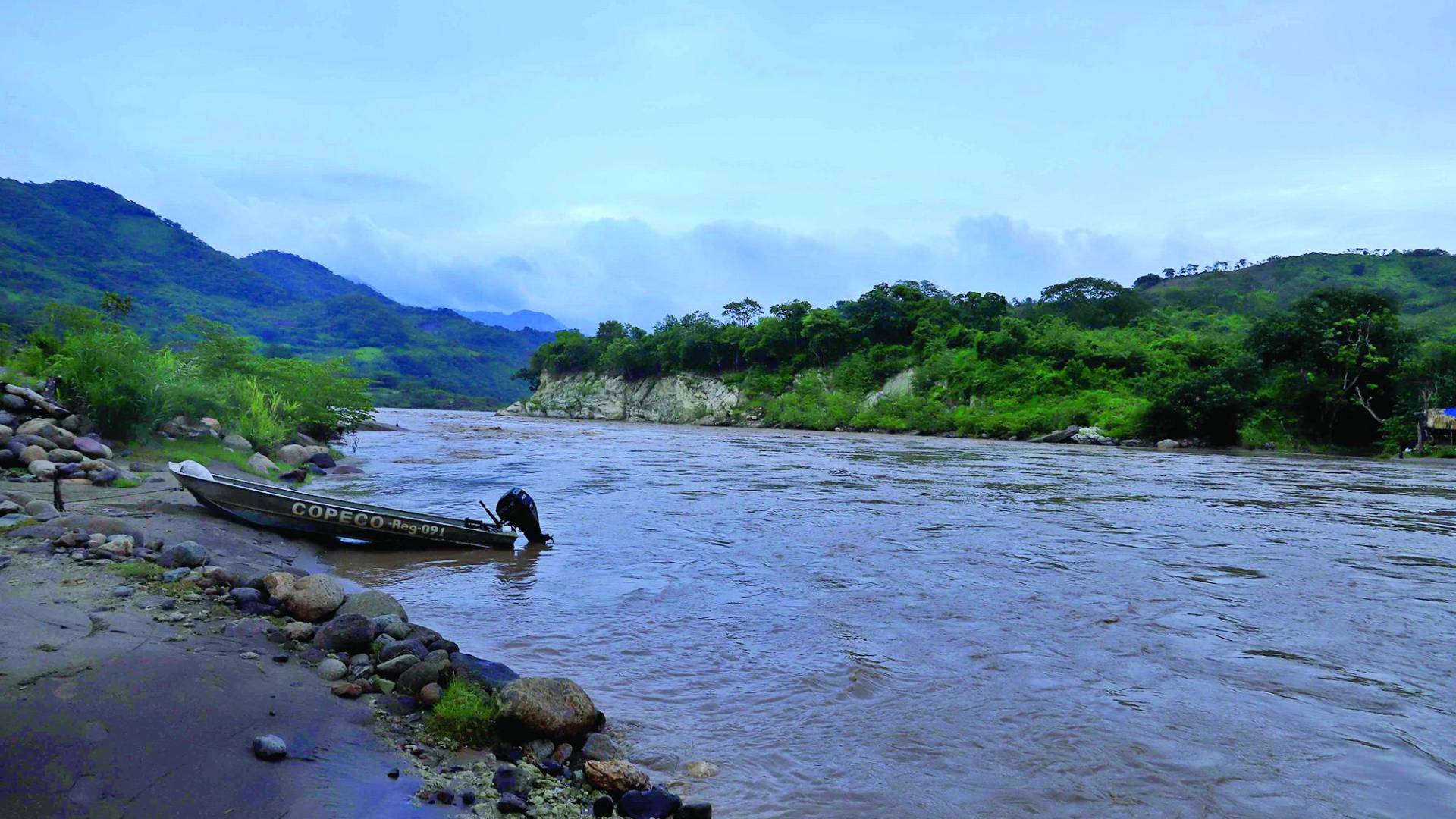
Agile methodologies take inspiration from this fluidity. Instead of waiting years to discover a strategy doesn't work, teams deliver value in short cycles, like small waves that move forward and backward, adjusting to the terrain. Constant feedback is the oxygen that keeps the water moving, enabling quick adjustments and informed decisions.
The intelligent swarm: the hive of teamwork
In the animal kingdom, few organizations are as efficient as the hive. There is no authoritarian leader giving orders; instead, each bee has a clear role and communicates constantly with its environment. Following this logic, agile methodologies promote autonomous teams, capable of organizing like an intelligent swarm where information flows and every member contributes their best to achieve collective goals.

The hive does not fear change. When the environment becomes inhospitable, the bees seek new places, build from scratch, and continue their mission. The same happens in an agile company: faced with market uncertainty, they adjust, evolve, and keep moving forward without stopping.
The seasons of learning: cyclical adaptation
Nature teaches us that everything is in constant transformation. Winter does not mean death, but preparation for a new cycle of growth in spring. In business, change should not be seen as a threat, but as an opportunity for rebirth.
Agile methodologies allow organizations to evolve with the rhythms of the business, understanding that each iteration is a new season—a moment of reflection and adjustment. What seems like a fallen leaf today will be fertilizer for new ideas tomorrow.

Conclusion: Agility is life
Agile methodologies are not just management tools; they are a reflection of the natural intelligence that has allowed life to thrive on this planet. They are the water that adapts to the riverbed, the tree that withstands the storm, the hive that works in harmony.
Companies that adopt agility as a philosophy don’t just survive—they flourish with every new challenge. And like nature, their growth is not linear or predictable, but vibrant, resilient, and full of possibilities.
