
 English
  Español


In an agile world, where uncertainty is more constant than certainty, curiosity emerges as one of the most underestimated—and powerful—values in leadership. Beyond technique and metrics, the true transformational leader does not seek immediate answers, but powerful questions. And it is precisely in that act of questioning where the fabric of change is woven.
Curiosity as a Driver in SCRUM
The SCRUM framework, by its iterative and incremental nature, encourages constant exploration. Both the Product Owner and the Scrum Master must navigate ambiguity, listen actively, and allow the needs of the team and the client to evolve over time. In that process, curiosity is not optional: it is vital.
The curious Product Owner digs deeper than the backlog: they want to understand the deeper "why" behind each user story.
The curious Scrum Master does not merely facilitate events, but detects cultural patterns, unspoken tensions, and opportunities for improvement invisible to others.
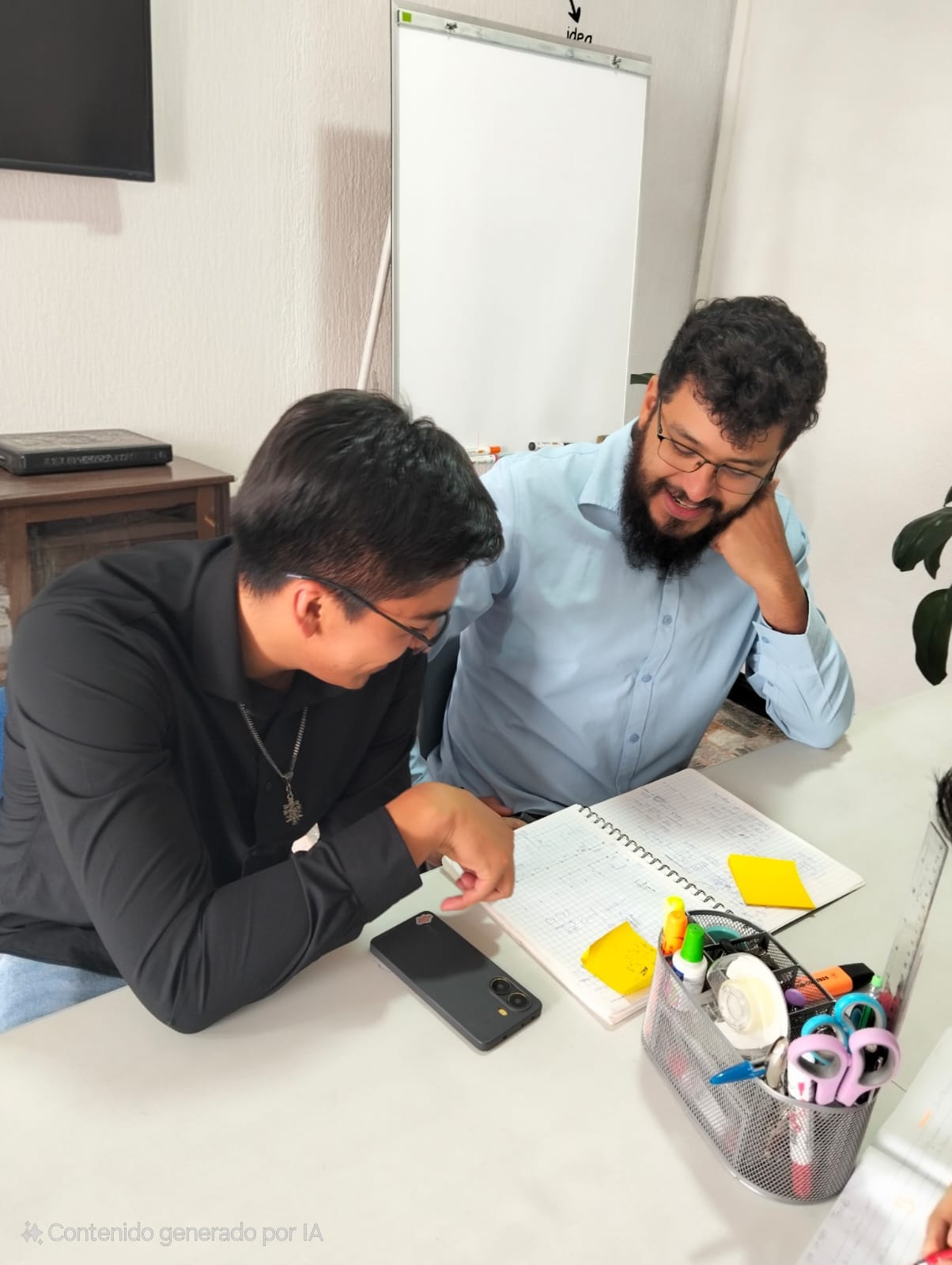
Both roles thus become guardians of discovery.
Empathic Curiosity in Agile Leadership
From a more human perspective, curiosity in agile leadership also acts as an emotional validation tool. Inspired by Nonviolent Communication (NVC), asking “What does this person really need?” or “What pain lies behind this resistance?” turns the agile leader into an explorer of the invisible. Curiosity allows us not to label, but to understand; not to fix, but to accompany.
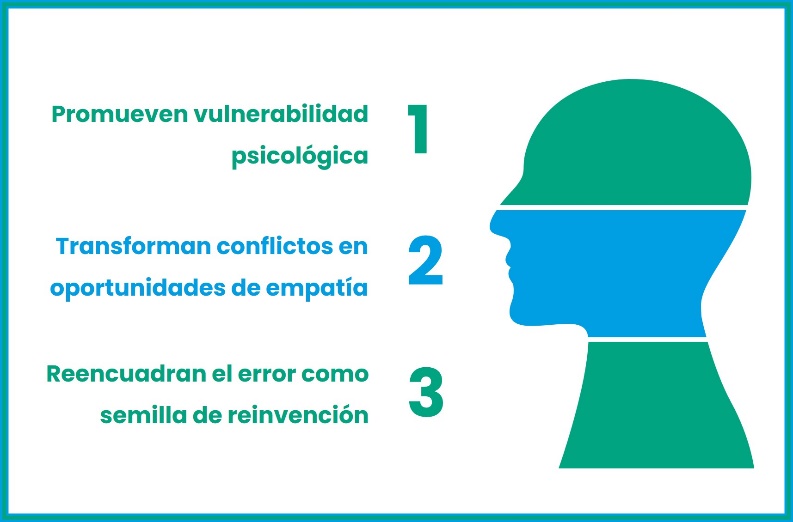
In the Retrospective, that space within the SCRUM framework, deep curiosity transforms the mechanical into the meaningful. When the team stops asking “what went wrong” and starts asking “what surprised us?” or “what did we learn about ourselves as a collective?”, it opens the door to a true learning culture. Retrospectives guided by curiosity:
Philosophical Curiosity: Beyond the Sprint
A sprint is not just a unit of time; it is a metaphor for the human journey: we explore, we make mistakes, we redefine. The transformational leader, driven by curiosity, does not settle for improving processes. They ask what meaning that process holds for the team, what purpose is germinating behind each iteration.
Perhaps curiosity cannot be measured in story points or velocity. But it is reflected in the eyes that light up when learning, in unscripted conversations, and in teams that recognize themselves not just as resources, but as explorers of what’s possible.
