 English
  Español

In February 2001, seventeen thinkers gathered at a ski resort in Utah to sign what we now know as the Agile Manifesto. This document wasn’t just a new methodology; it was a call to bring humanity back into the way we work.
An Organizational Paradigm Shift
With just four values and twelve principles, it directly challenged the bureaucratic rigidity of traditional models, proposing instead adaptability, collaboration, and continuous delivery of value as new organizational pillars.
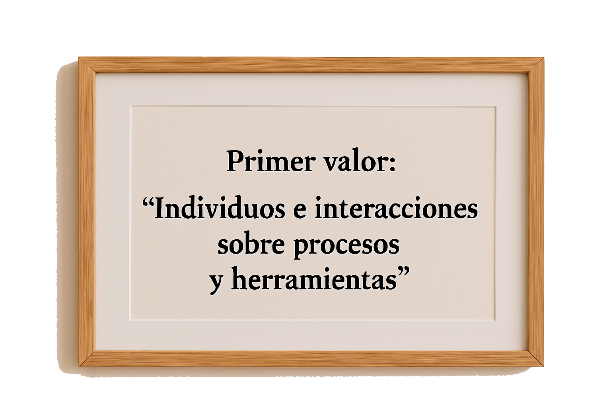
The first value is not a rejection of the technical, but a reaffirmation of the human connection as the primary driver of change.
Impact Beyond Software
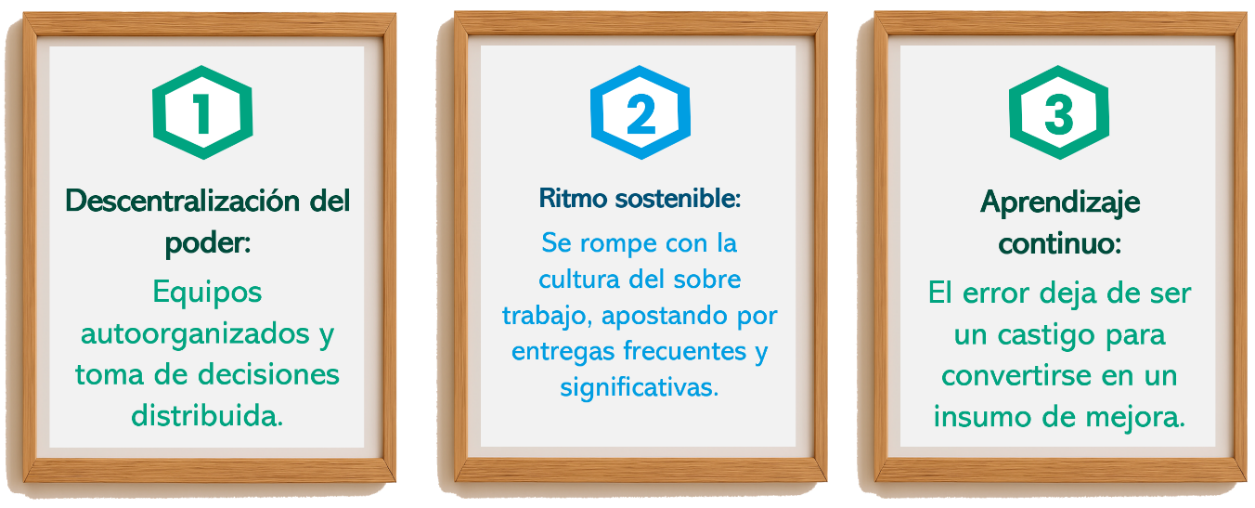
Although it was born in the world of software development, its influence has expanded into consulting, education, marketing, human resources, and more recently, strategic leadership. Its significance lies in three key aspects:
The adoption (or resistance) to the Agile Manifesto has led to deep consequences in the modern organizational fabric:
Companies That Embrace Agility
Companies That Ignore or Misinterpret It
- Foster trust: Break down vertical hierarchies in favor of collaborative structures.
- Innovate with purpose: Launch products not for trends, but in response to real customer needs.
- Manage change with empathy: Acknowledge team emotions during transformation processes.
- Use agility as corporate cosmetics: Redefine job titles but retain authoritarian practices.
- Confuse speed with effectiveness: Rush deliveries without validating real value or human impact.
- Face constant turnover: Misalignment between values and practices leads to talent loss.
Technical Tool or Cultural Philosophy?
Today more than ever, organizations face a duality: adopt agility as a technical tool, or integrate it as a cultural philosophy. This requires deep transformation, calling not only for frameworks like Scrum or Kanban, but also for values such as empathy, autonomy, and shared purpose.