
 English
  Español

Adopting agile methodologies is not just about implementing sprints, boards, or retrospectives. It’s about beginning a transformation that goes beyond processes—it involves changing how people think, relate, and make decisions. Turning the agile mindset into organizational culture is a journey that requires intention, coherence, and emotional leadership.
What is the agile mindset?
The agile mindset is a set of beliefs and attitudes that value:
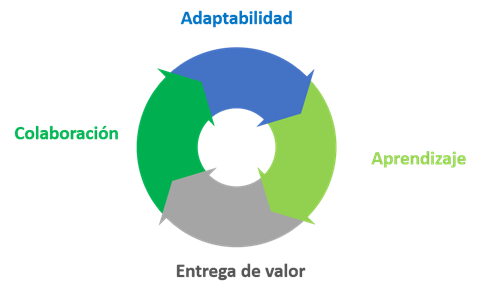
- Collaboration over hierarchy
- Adaptability over control
- Learning over perfection
- Value delivery over task accumulation
It’s a way of viewing work as a living, iterative, and human process—where mistakes are sources of growth and change is welcomed.
What does it mean to turn it into culture?
Transforming the agile mindset into organizational culture means that these values don’t just exist within development or innovation teams but are integrated into:
- Executive decision-making
- Talent management
- Internal communication
- Recognition and closure rituals
- How conflicts and failures are addressed
It’s about moving from applying agility to living it.
Keys to cultural transformation
- Exemplary leadership: Leaders must embody agility—show vulnerability, accept feedback, celebrate learning, and facilitate collaboration. It’s not enough to demand agility; they must model it.
- Symbolic rituals: Incorporate practices that reinforce the agile mindset—open retrospectives, iteration celebrations, spaces to share learnings. Rituals build identity and collective memory.
- Shared language: Promote vocabulary that reflects agility—talking about “value,” “iteration,” “feedback,” “co-creation,” and “purpose” helps consolidate a shared narrative.
- Aligned systems: Review policies, processes, and structures to ensure they don’t contradict agile principles. For example, if autonomy is promoted, avoid excessive control mechanisms.
- Emotional and ethical training: Agility requires soft skills—listening, empathy, emotional management, and ethical thinking. Training in these areas is key to sustaining culture.
From technique to purpose
True agility is not measured by speed but by meaning. An agile culture allows people to work with purpose, adapt with dignity, and learn with enthusiasm. It’s a culture that honors the human side of operations.
