 English
  Español

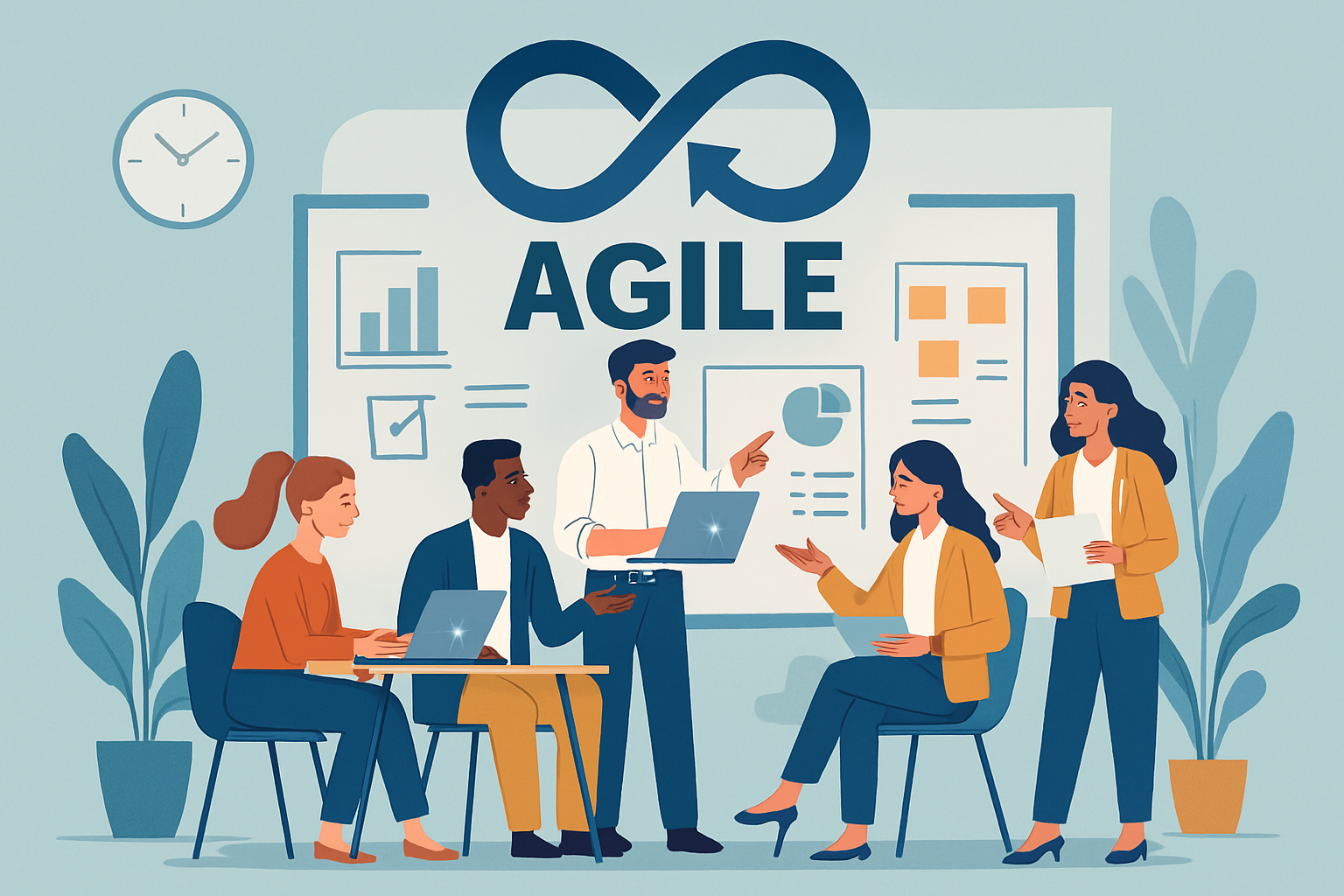
In a world where the speed of change exceeds the ability to react, many organizations face a fundamental question: Are we truly prepared to adapt, or are we just pretending to be flexible?
Agility as a Mindset, Not a Methodology
Business agility is not a set of tools, but a way of thinking, relating, and deciding. Embracing it means much more than implementing frameworks like SCRUM or Kanban—it's a cultural transformation.
The most common mistake is to associate agility with speed. Shorter meetings, more frequent deliveries, more dynamic adjustments. However, true agility means reflection in motion, not motion without reflection. Adopting SCRUM, for example, without understanding its principles of transparency, inspection, and adaptation, turns a powerful framework into an empty routine.
Authentic Conversations as the Foundation of Agility
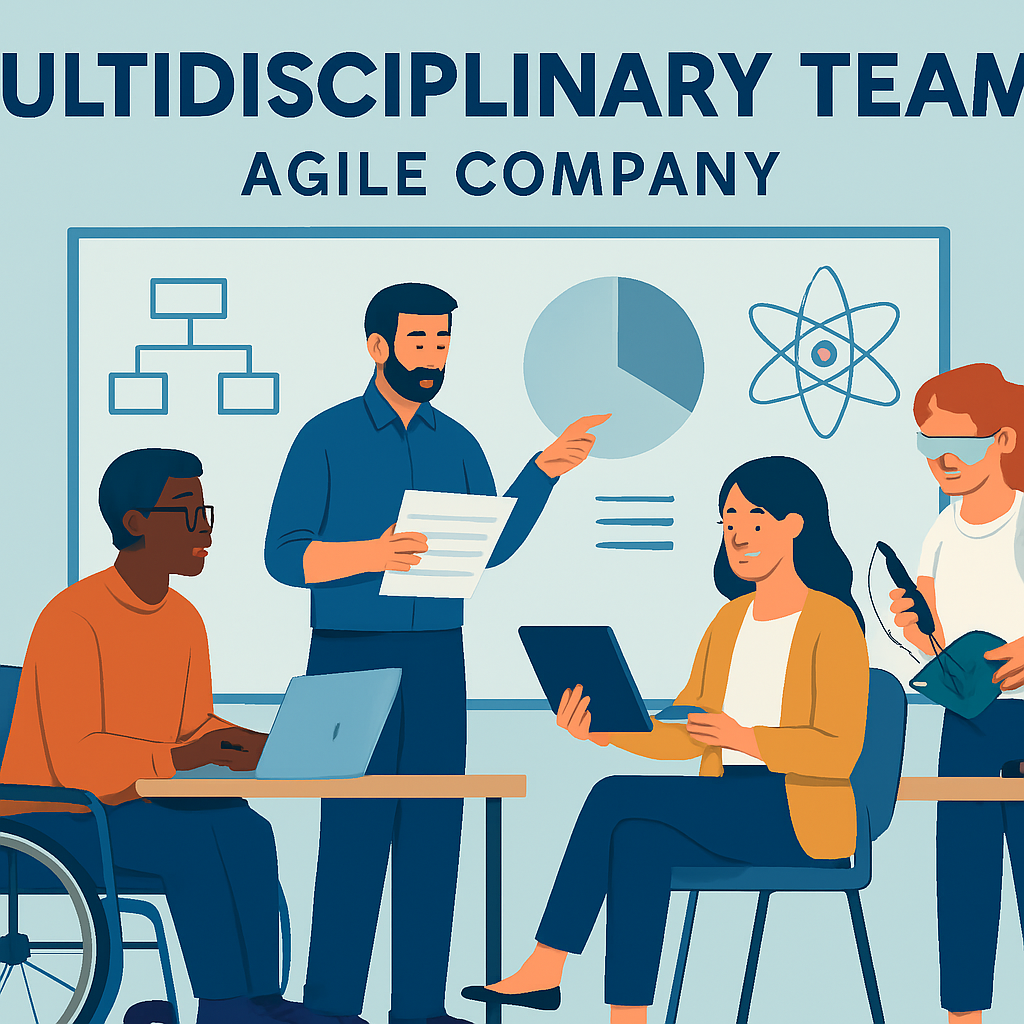
An agile company is built on authentic conversations. Validating emotions, understanding needs, and aligning visions are practices just as important as any backlog. That’s why Nonviolent Communication (NVC), when integrated into agile work, stops being just a human development tool and becomes an operational practice.
Being agile means holding meetings that discuss not only the product, but the relationships that sustain it.
Autonomy with Alignment: The Agile Symphony
Empowerment is often cited as an agile advantage, but without shared purpose, it can lead to fragmentation. Autonomy without alignment is noise; autonomy with alignment is symphony. Agile teams need clarity of vision, self-organizing spaces, and leadership that doesn’t control, but inspires.
Continuous Improvement as Real Transformation
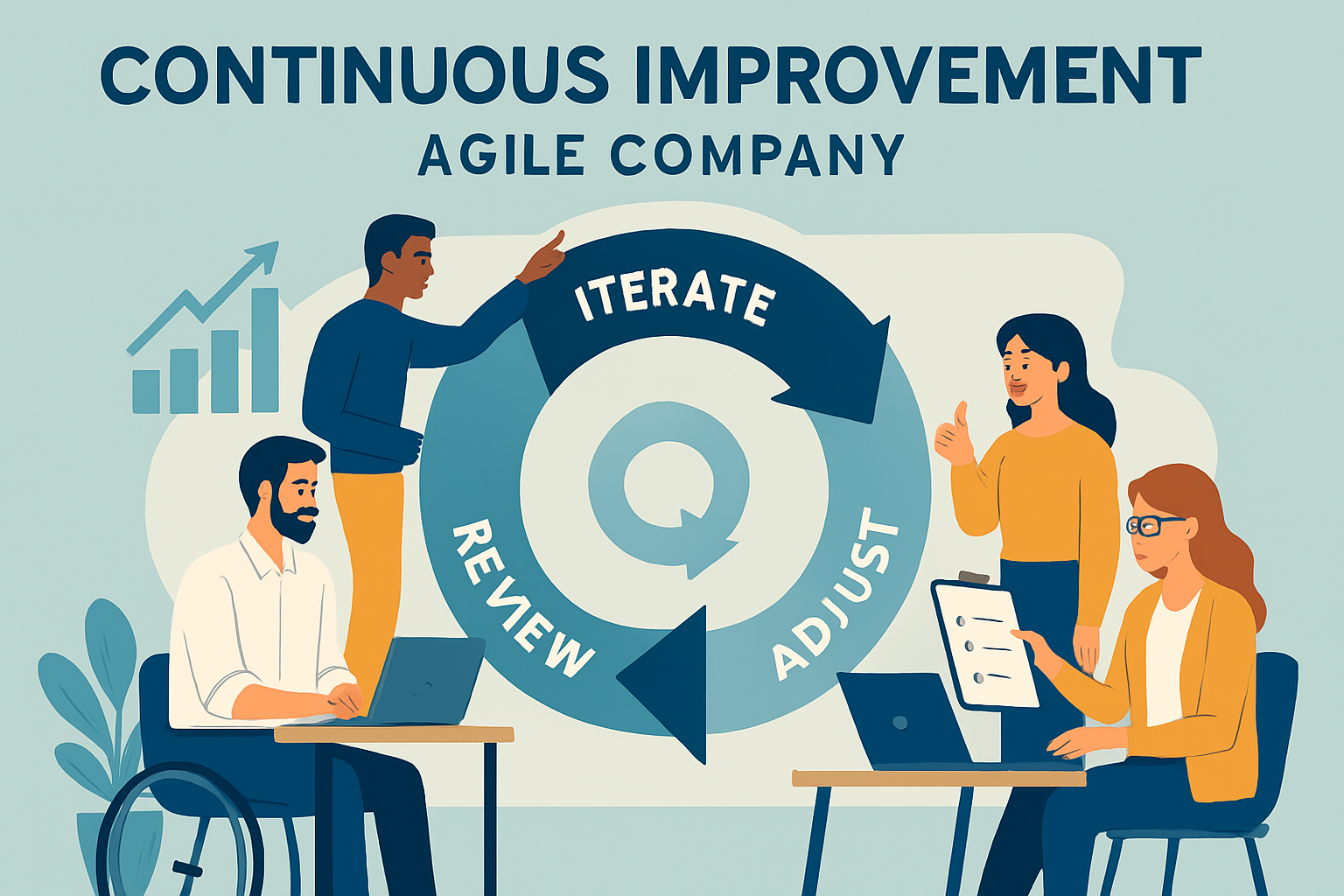
Continuous improvement doesn't mean being stuck in an endless loop of surface-level adjustments. It means having the courage to change structures that no longer respond to internal or external realities. Being agile is not about changing for the sake of change, but knowing when to do it, with what impact, and in which direction.
At VLIM, by operating with SCRUM and other agile frameworks, we have faced this challenge from an integrative perspective: technical, emotional, and philosophical. It’s not just about sprints, but about how those sprints reflect values such as empathy, creativity, and shared responsibility.