
 English
  Español

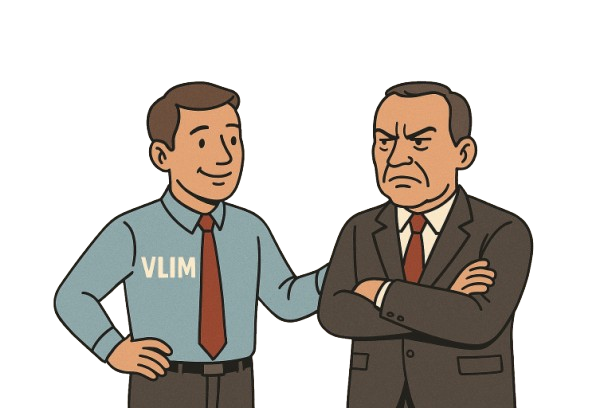
For decades, leadership has been associated with unshakable strength, absolute control, and unwavering confidence. However, in modern organizational contexts—diverse, agile, and emotionally complex—vulnerability has emerged as a powerful tool to transform teams, build trust, and foster innovation. It's not about weakness, but rather a higher form of strategic courage.
Vulnerability as an Advantage
Vulnerability is not exposure; it's authenticity. In leadership, it means showing real emotions, acknowledging mistakes, and admitting that one doesn’t have all the answers. This attitude creates an environment of psychological safety, where teams feel secure to share ideas, make mistakes, and collaborate without fear of judgment. Leaders who practice this emotional openness don’t fall apart; they become reliable and human figures.
In this way, vulnerability becomes a strategic resource because:
-
It creates authentic emotional connection
Vulnerable leaders build genuine bridges between their role and their teams. The implicit message is: “I’m human, just like you. We can grow together.”

-
It activates collective intelligence
By breaking the myth of the all-knowing leader, teams are invited to take a leading role in problem-solving. Vulnerability paves the way for collaborative thinking. -
It fosters a learning culture
Recognizing a mistake as a learning opportunity rather than a failure sends a powerful message: in this organization, growth comes from experience, not perfection. -
It encourages courage in others
When a leader dares to show themselves as they are, they inspire others to do the same. The result is a culture of transparency, resilience, and commitment.
Applications in SCRUM
Concrete applications of vulnerability in environments like SCRUM can occur:
- During retrospectives: a vulnerable leader can share their personal impressions about what didn’t work and how it felt.
- In sprint planning: creating space to listen to concerns without judgment facilitates co-creation of solutions.
- The Product Owner: admitting ambiguity in objectives can spark empathy and collaboration instead of frustration.
In short, vulnerability is not a crack in the armor of leadership; it is the metal from which the leadership of the future is forged. In organizational contexts where change is constant, leading with humanity is more than a virtue—it's an evolutionary strategy.